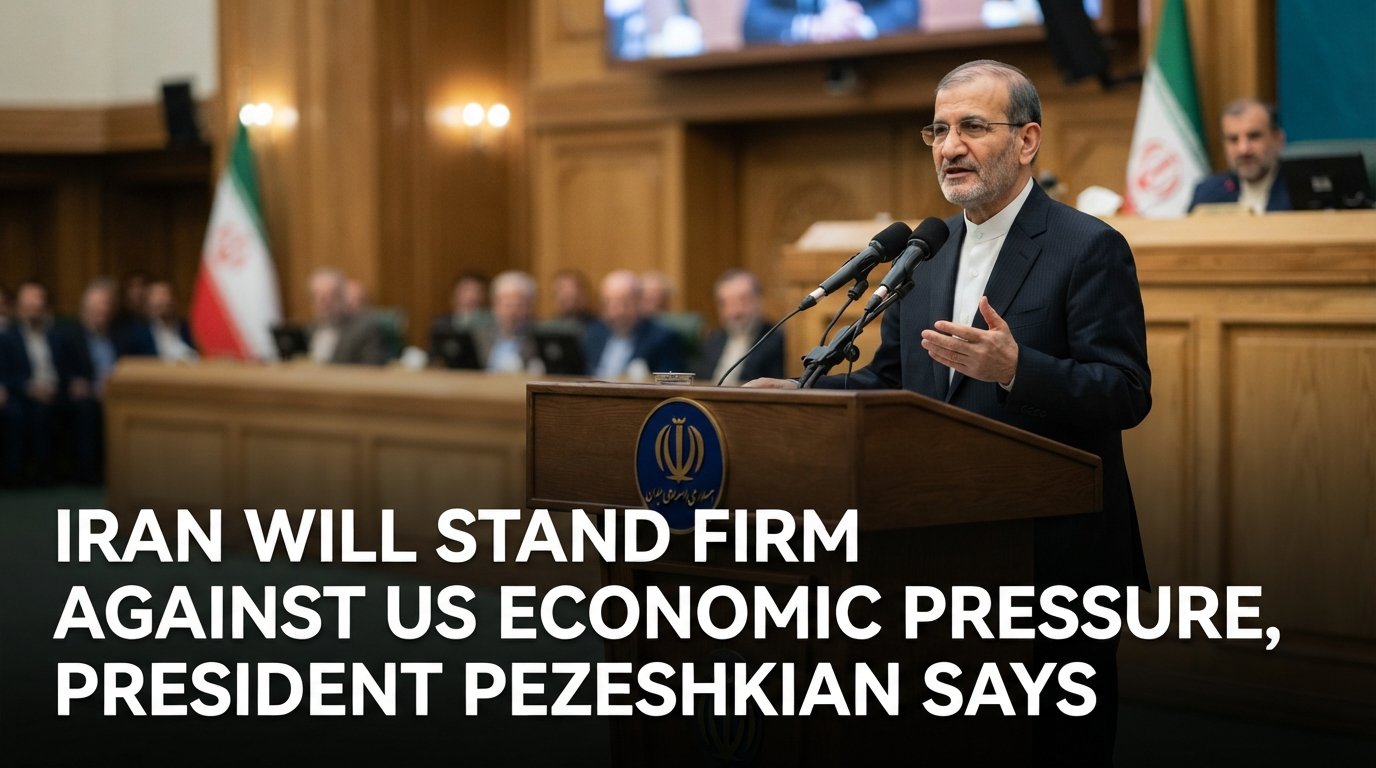
TEHRAN: Iranian President Masoud Pezeshkian has said the United States will not achieve its objectives through economic pressure, as Washington intensifies sanctions and financial restrictions against Tehran.
Pezeshkian made the remarks on Wednesday, August 26, during a meeting in Tehran focused on Iran’s latest monetary, foreign-exchange and financial indicators. Economy Minister Seyed Ali Madanizadeh, Central Bank Governor Abdolnaser Hemmati and a group of economists attended the meeting, according to a statement from the Iranian presidency.
The Iranian president said his administration’s economic sectors had prepared measures to confront the pressure and expressed confidence that Washington would not achieve its goals through the latest economic campaign.
Pezeshkian has simultaneously maintained that Tehran is prepared to pursue dialogue and negotiations. In a statement issued earlier this week, he said the United States needed to change its approach toward Iran and warned that reliance on pressure and what he described as bullying would make diplomatic efforts more difficult.
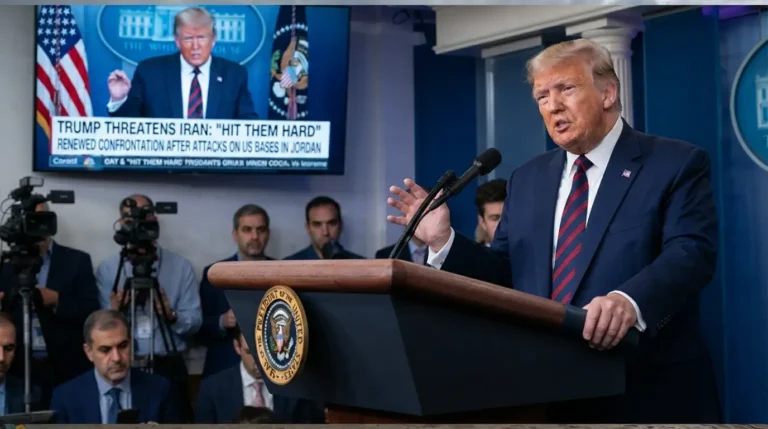
The comments come as Washington has expanded its economic pressure campaign against Iran. Reuters reported that the United States recently announced additional sanctions targeting Iranian-linked individuals, entities and vessels, while Tehran condemned the measures and pledged to respond.
The dispute is unfolding against the backdrop of the wider US-Iran conflict and continuing tensions around the Strait of Hormuz, a strategically important waterway for global energy shipments. Restrictions and disruptions around the strait have added pressure to regional trade and international energy markets.
Iranian officials have repeatedly argued that economic pressure is intended to force Tehran into political concessions. Pezeshkian said on August 25 that creating economic pressure was among the strategies being used by Iran’s opponents to make the country surrender, while insisting that Tehran should not give in to such pressure.
The Iranian government is nevertheless facing significant economic difficulties. Reports indicate that sanctions, disrupted trade, currency weakness, inflation and damage associated with the ongoing conflict have placed additional strain on households and the wider economy.
The latest statements also come shortly after Pakistani officials stepped up diplomatic contacts between Tehran and Washington. Pakistan’s Chief of Defence Forces and Army Chief Field Marshal Asim Munir visited Tehran on August 25 and met Pezeshkian and other senior Iranian officials. According to Pakistan’s military media wing, the discussions included efforts to prevent further escalation, reopen the Strait of Hormuz and pursue an expedited end to the conflict.
For now, Tehran’s public position combines resistance to increased economic pressure with an expressed willingness to resolve disputes through negotiations. Whether intensified sanctions can force policy changes in Iran remains uncertain, while diplomatic efforts continue amid the broader regional crisis.